2022 Chaco Vivo Social Team
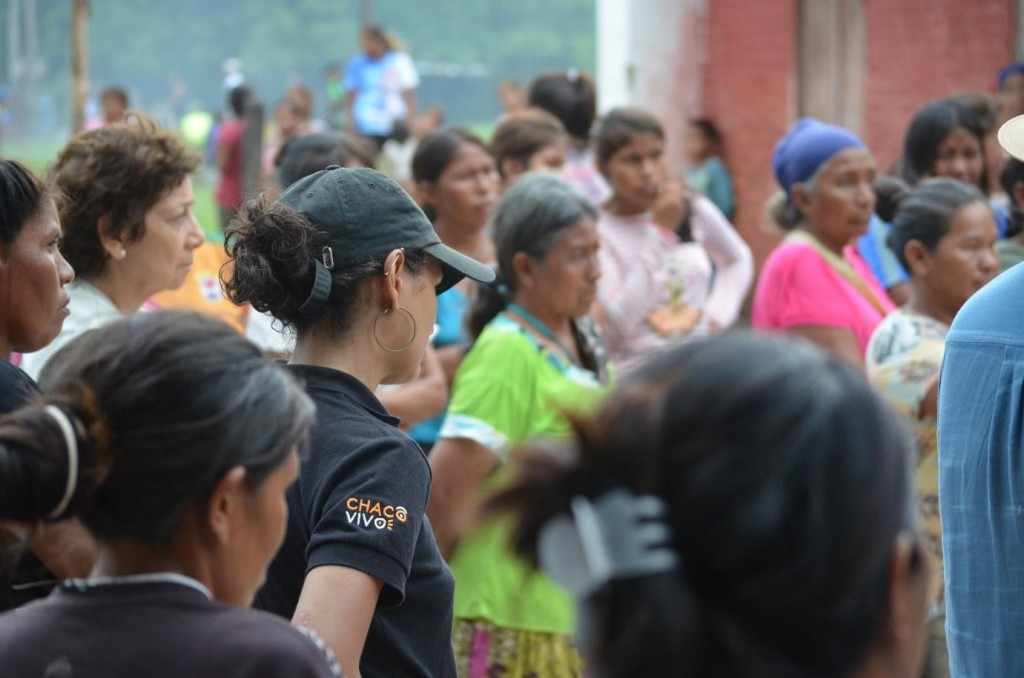
Artigas (Street in Asunción, Paraguay, where the INDI is located) is a place that exposes a painful reality. Families, girls, boys, pregnant women cramped in a space designated by the INDI (National Institute of Indigenous Affairs) to “inhabit”. However, few people truly grasp the gravity of the situation and the fight behind it.
Asunción, Paraguay. As a community, they mobilize to the Capital from faraway places, often with limited resources to voice their complaints, only to be met with indifference and apathy, not just from the INDI, but from everyone else. “Now they locked the bathroom from us” laments an Indigenous woman located in the place. The violence against human rights that Indigenous people endure is tremendous.
As a Paraguayan society, it is crucial that we acknowledge the invisibility and profound exclusion that Indigenous communities face. We have failed in our responsibility to protect their land, culture, and fundamental rights. Upholding their rights to community ownership of their lands, preservation and development of their ethnic identity, and full participation in the life of the country is enshrined in the Paraguayan Constitution. It is the collective responsibility of our society to ensure that these rights are always respected and protected, for no one else will.
“The rates of poverty and extreme poverty among Indigenous Peoples are 75% and 60% respectively, which far exceeds the national average. As for the situation of children under the age of five, the rate of extreme poverty is 63%, compared to the 26% national average, and the rate of chronic malnutrition is 41.7%, compared to a 17.5% national average. These figures demonstrate the profound gap of inequality separating the Indigenous Peoples from the rest of the population.”
Ref: https://www.iwgia.org/en/paraguay
It is important to recognize that Indigenous women in Paraguay, like their counterparts in other countries in the Americas, experience double discrimination, confronting multiple obstacles in their efforts to enjoy their rights and live a full life. They are denied access to education, healthcare, and other essential services, which contributes to their social and economic marginalization. Moreover, Indigenous women are also victims of gender violence and other forms of violence due to the historical and structural discrimination they face.
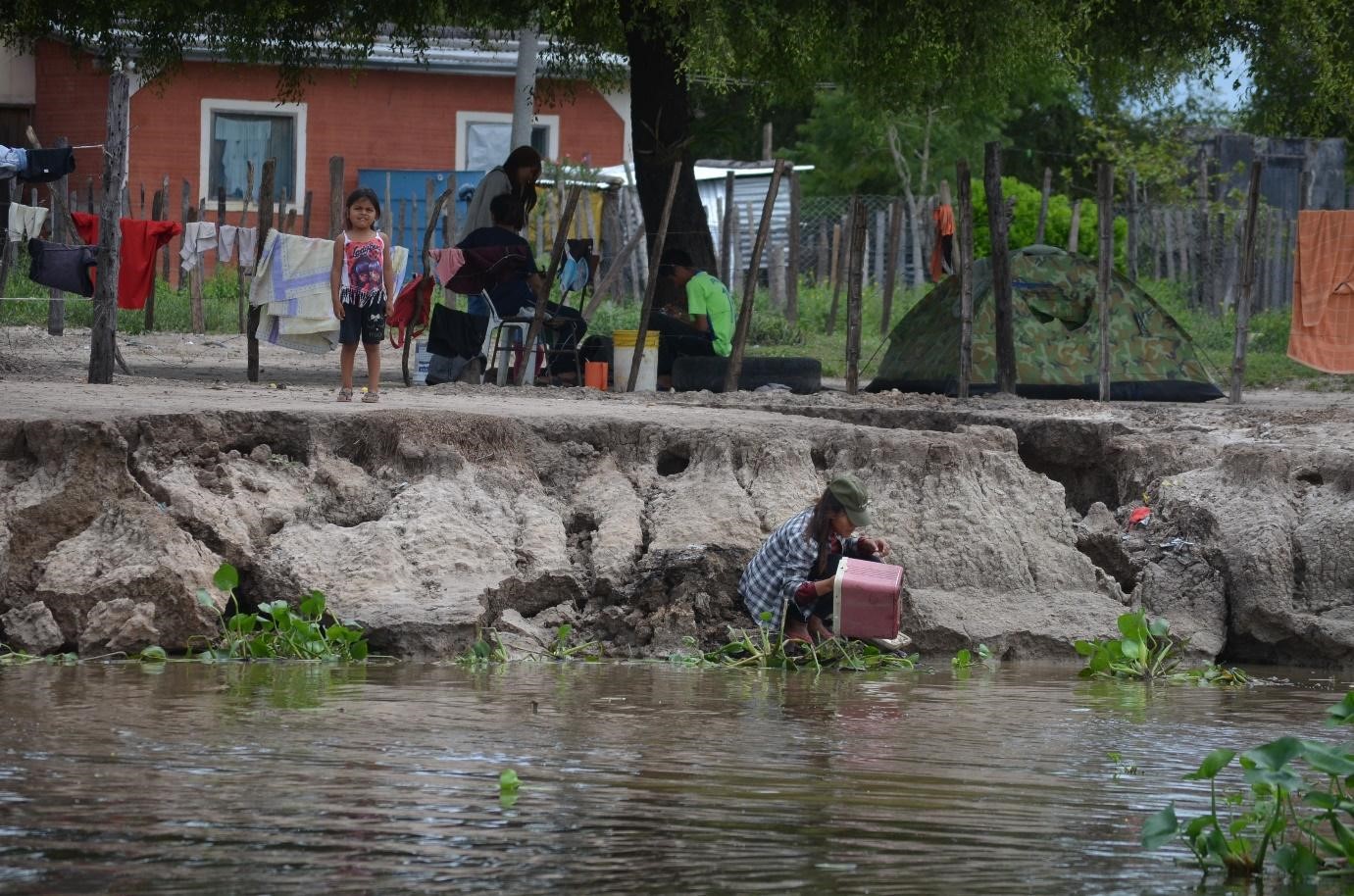
2022 Chaco Vivo, Indigenous community in the Project Zone fetching water
It is incumbent upon all members of society to take concrete steps to address these inequalities and guarantee that Indigenous women have the same rights and opportunities as any other member of society. Only then can we build a more just and equitable society that works for the betterment of all.
The concept of “ethics of ambiguity,” developed by philosopher Simone de Beauvoir, suggests that we must navigate ethical situations by acknowledging our freedom and responsibility while recognizing that our choices have consequences for others. This is particularly relevant to the struggles of indigenous peoples for land and basic rights, which involve complex ethical considerations. These include the tension between their right to self-determination and the state’s duty to promote the common good. Understanding this complexity can help us engage in constructive dialogues to find solutions that respect the dignity and rights of all involved.
Supporting initiatives and projects like Chaco Vivo, which invest in indigenous communities, is key. These projects provide the necessary resources and opportunities for these communities to thrive and become more visible in society, breaking the cycle of poverty and exclusion that has affected them for a long time. However, much remains to be done to ensure that all members of society have equal access to opportunity and can live with dignity and respect.
Chaco Vivo’s commitment to sustainable development goes beyond providing immediate assistance to communities in need. It focuses on creating long-term solutions that empower these communities and promote their self-sufficiency. This approach enables the creation of sustainable livelihoods, the protection of natural resources, and the promotion of cultural preservation. Chaco Vivo is in a unique position to lead these efforts and have a positive impact on the lives of indigenous communities in Paraguay.
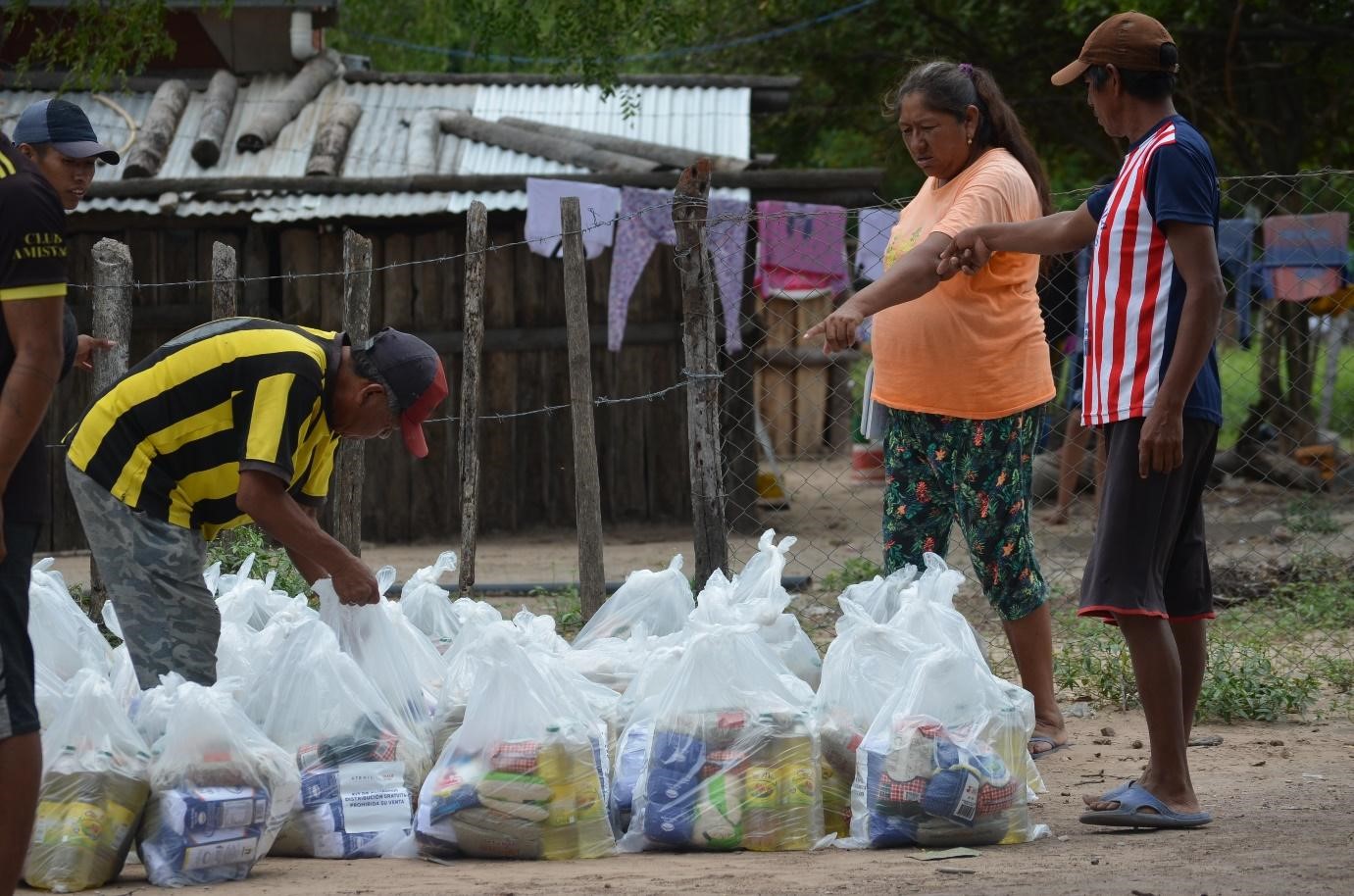
2022 Chaco Vivo Food Relief Program